
Guides
Reference pieces written to answer a specific question properly. Each states when it was last checked, and cites a source where a claim is not something we can demonstrate ourselves.
 Formats · 7 minImage formats explained: JPG, PNG, WebP, AVIF and GIFPick JPG for photographs that must open anywhere, PNG for flat-colour graphics and transparency, WebP as the default for websites, AVIF when you can control the audience, and GIF only for legacy animation. The differences come down to whether the format throws information away and whether it can store transparency.Updated 2026-08-22
 Privacy · 6 minIs online image editing safe? What actually happens to your fileSome browser tools process your image entirely on your device; others upload it to a server and simply do not say so. You can tell which is which by opening your browser's network panel and watching for an outgoing request when you press the process button. Everything else on the page is marketing.Updated 2026-08-22
 Workflow · 8 minTen image edits worth doing in a browser (and three that are not)Browsers handle geometry and encoding — resize, crop, rotate, convert, compress, watermark — as well as any desktop application. They are a poor fit for detailed retouching, colour-managed print work and layered composition, which need pixel-level control and a colour profile pipeline.Updated 2026-08-22
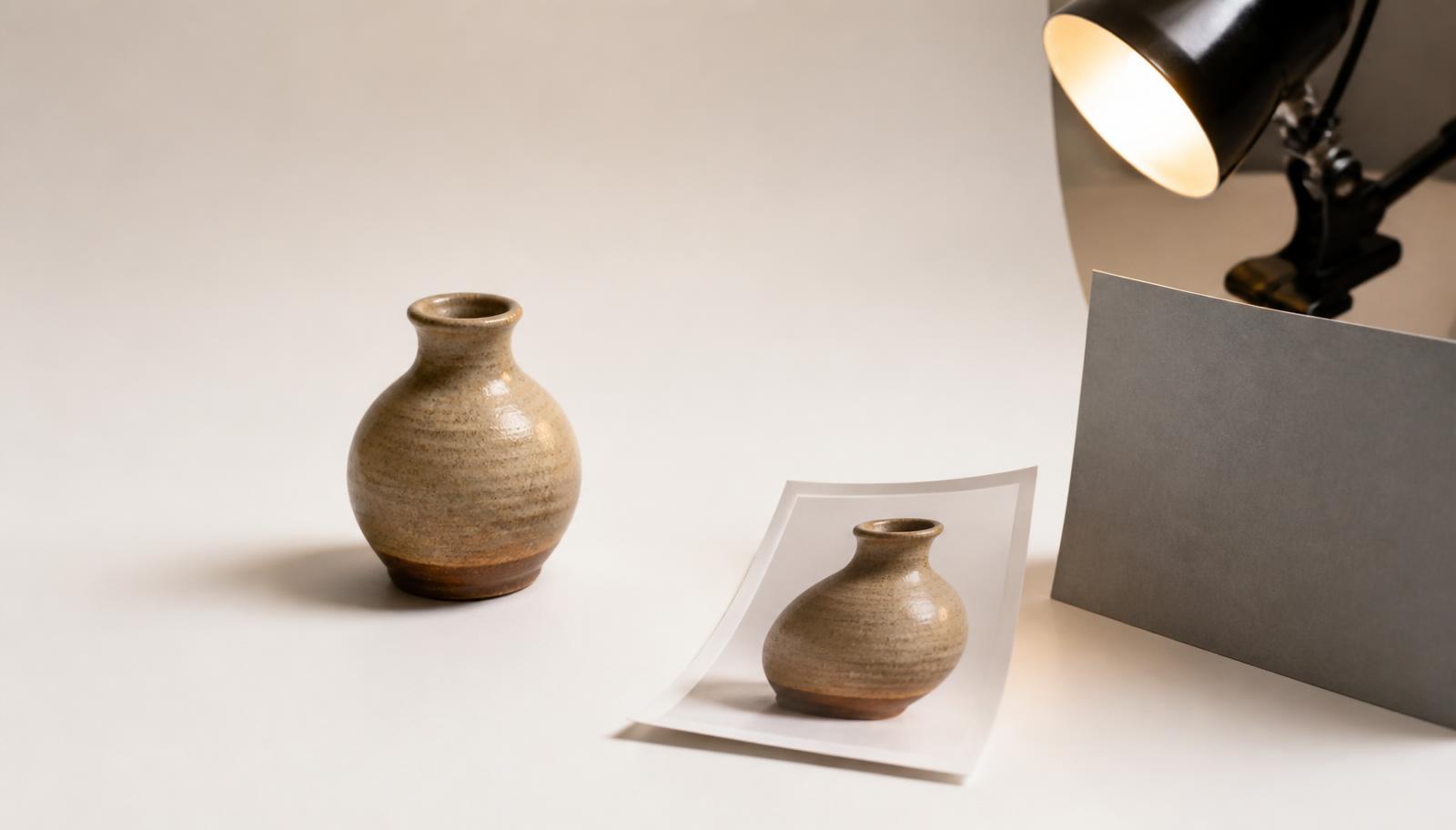 Technique · 6 minFive things you can do with simple tools that look far more complicatedCombining basic operations in the right order produces results people assume require a design suite: a reflection from a flip and a fade, a backdrop from a heavy blur, a documentary look from luminance greyscale plus contrast.Updated 2026-08-22
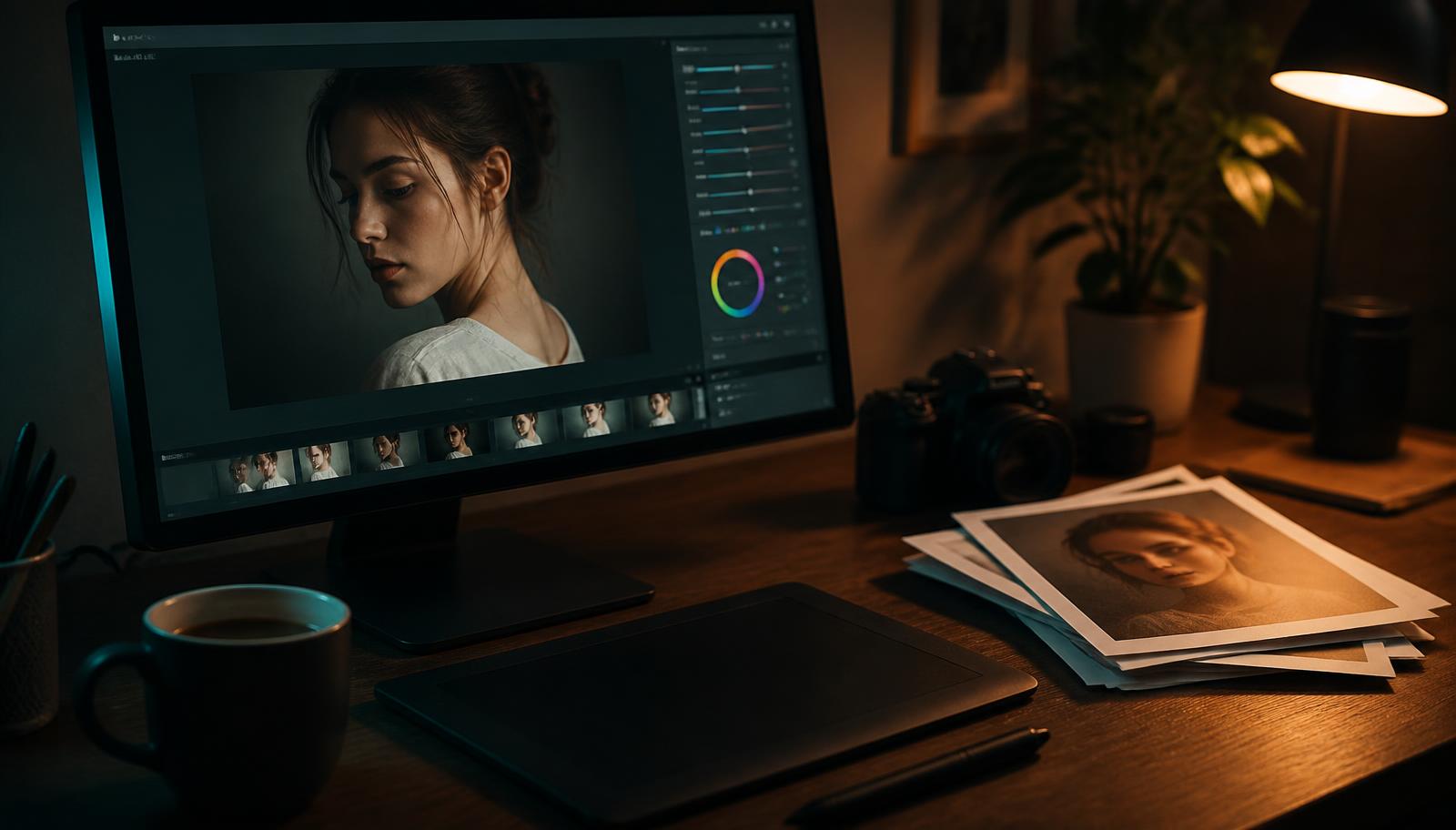 Background · 5 minWhat to expect from an online photo editorA browser photo editor is limited by three things: the memory available to the tab, the codecs the browser ships, and the absence of a colour-managed pipeline. Within those limits it is fully capable; outside them it cannot compete, regardless of what a marketing page claims.Updated 2026-08-22
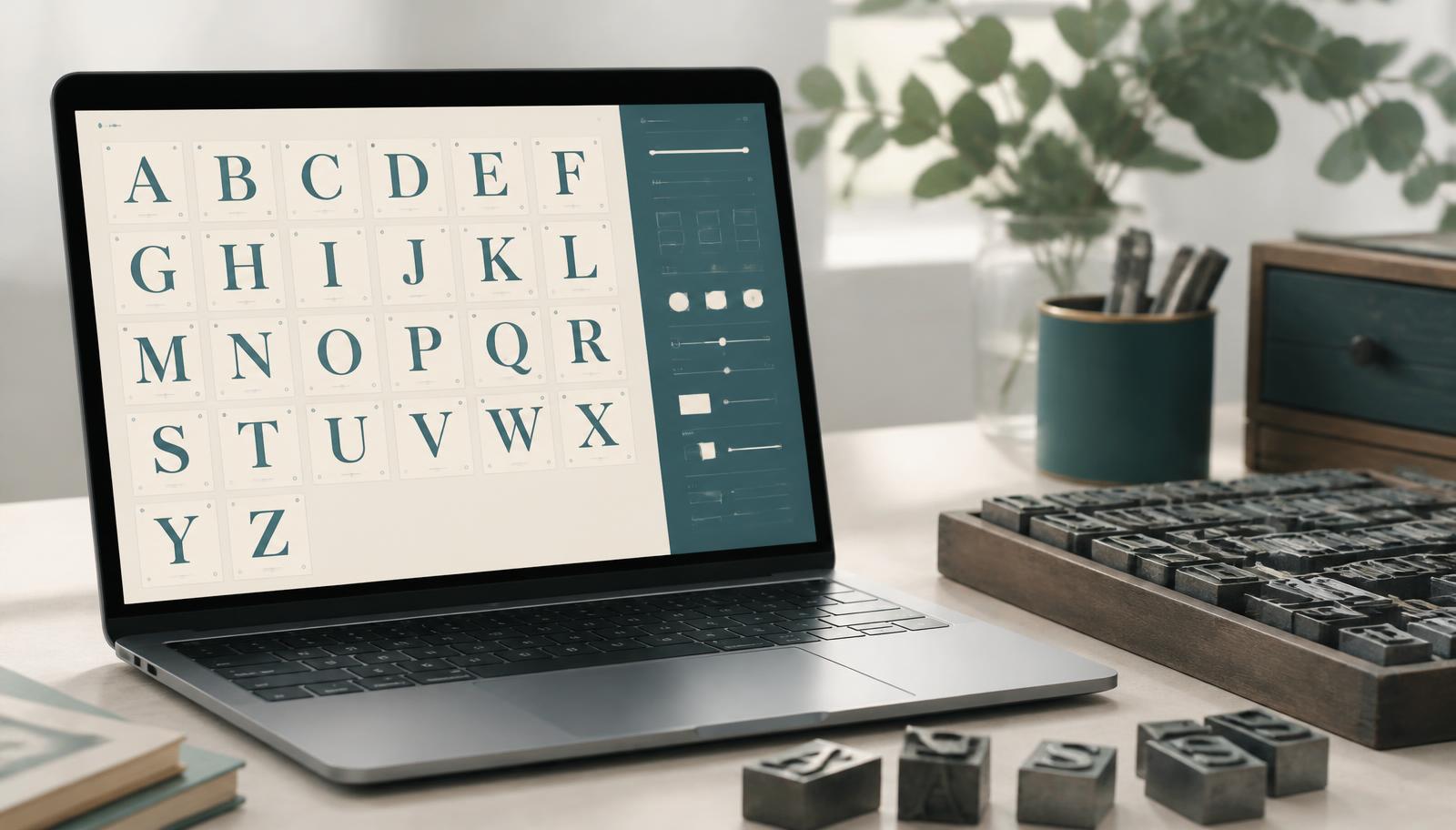 Background · 4 minFancy text generators: what they really produce, and where it breaksA fancy text generator does not change your font. It substitutes each letter with a different Unicode character that happens to look similar — mathematical alphanumeric symbols, mostly. That is why the text survives copy and paste, and also why screen readers read it as gibberish.Updated 2026-08-22