How to Convert HTML to PDF Easily Online
Converting Convert HTML to PDF has become an essential task for students, developers, businesses, and content creators. Turning a web page or HTML file into a high-quality PDF ensures that the formatting, images, links, and text are preserved for offline access, printing, or sharing. Whether you need to save a blog post, create professional reports, or archive content, using an online HTML to PDF converter can make this process fast, secure, and efficient.
What is HTML to PDF Conversion?
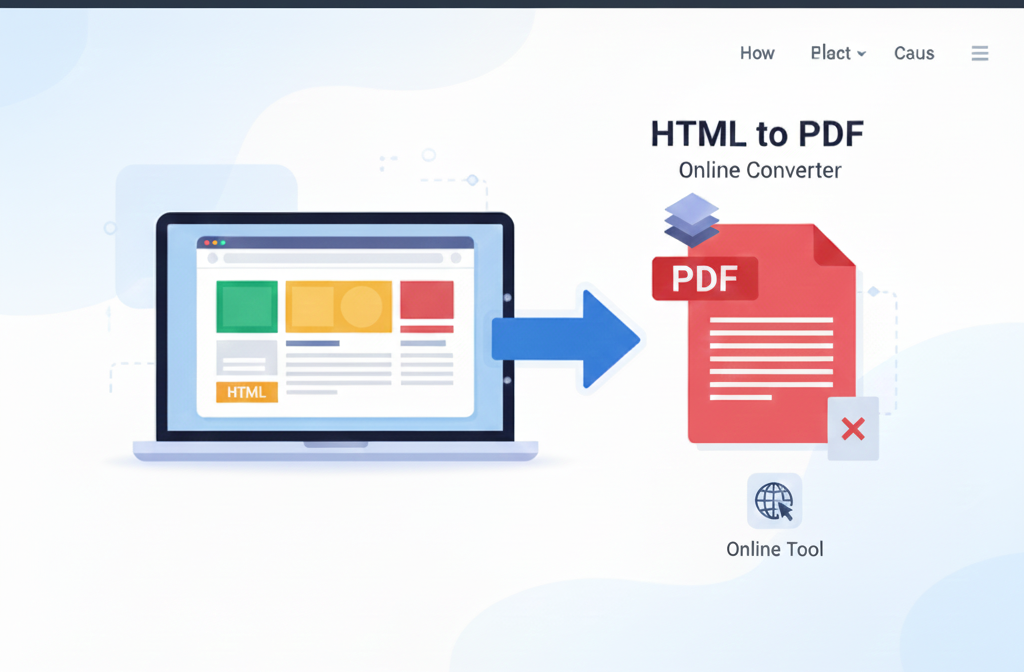
Convert HTML to PDF conversion is the process of transforming a web page or HTML file into a portable document format (PDF). This method preserves the layout, fonts, images, and hyperlinks exactly as they appear in the browser. Unlike screenshots, PDF conversion keeps your document scalable without losing quality. Many professionals rely on this for reports, business documentation, academic materials, and web content archiving.
The main advantage of using an online HTML to PDF tool is convenience. You can convert your files without installing heavy software or worrying about compatibility issues. Tools like Free HTML to PDF Converter allow you to convert files instantly while maintaining the original structure, making it a reliable solution for users in the USA and worldwide.
Benefits of Using an Online HTML to PDF Converter
Using an online Convert HTML to PDF converter offers numerous advantages. First, it is fast and efficient. You don’t need to install any software, and the conversion happens directly in the browser. Second, these tools are compatible with multiple devices including Windows, Mac, and mobile devices. This makes it easy for users to convert documents on the go.
Additionally, online conversion tools ensure your content is secure. Most services automatically delete uploaded files after conversion, protecting sensitive data. Users also benefit from high-quality PDFs that preserve fonts, formatting, tables, and hyperlinks. For quick page management or editing after conversion, tools like Remove Pages can help efficiently remove unwanted pages or adjust document content.
Step-by-Step Guide to Convert HTML to PDF
Converting HTML to PDF is surprisingly simple. Begin by opening an online converter such as Free HTML to PDF. You can either upload your HTML file or enter a URL. Once uploaded, adjust the settings such as page orientation, size, and margins to match your document preferences.
Next, click the Convert button to initiate the process. The tool will process your HTML file, retaining all images, fonts, links, and formatting. Once the conversion is complete, download the PDF and verify that everything appears as intended. Using this method, documents can be quickly shared, printed, or archived for later use without losing quality or layout integrity.
Best Practices for High-Quality PDF Conversion
To ensure a high-quality PDF, your HTML file should be well-structured. Use semantic HTML tags, avoid broken links, and optimize images for faster processing. Properly formatted content helps the converter retain the design, including headings, tables, and images. If your HTML contains complex layouts, preview the document before converting to catch potential errors.
Additionally, ensure that any scripts or dynamic content are either simplified or removed. Online tools may not fully support JavaScript rendering, so static content guarantees better output. For further optimization, compress large images and review page breaks to avoid unwanted gaps. Combining these steps produces professional, easy-to-read PDFs that are suitable for business or educational purposes.
Common Problems and How to Solve Them
While converting Convert HTML to PDF is straightforward, users occasionally face issues. Common problems include missing images, incorrect formatting, or blank pages. To fix these, verify that all image paths are correct, check HTML structure, and ensure external resources are accessible online. For large files, consider splitting them into smaller sections or compressing them to reduce load time.
Tools like Remove Pages help manage PDFs post-conversion by removing unnecessary pages or reorganizing content. Additionally, always preview your document before sharing. This ensures hyperlinks, tables, and formatting are preserved and the final PDF looks professional. Following these steps eliminates most conversion issues effectively.
Use Cases for HTML to PDF Conversion
HTML to PDF conversion has a wide range of practical applications. Students can save lecture notes, research articles, and online study materials for offline access. Businesses can generate professional reports, invoices, and contracts that maintain layout integrity. Web developers archive documentation or create printable versions of web pages for clients.
Bloggers and content creators use this process to store or distribute posts as PDFs. For example, an online tutorial converted into PDF allows readers to download it easily. Using an online tool ensures that content remains accessible across devices while maintaining the visual structure, making it an indispensable resource for many users.
Why Online Tools Are Preferable to Software
Online HTML to PDF tools have clear advantages over traditional software. They eliminate the need for installation, updates, or system compatibility concerns. Users can access these tools from any device with an internet connection. The conversion process is fast and requires minimal effort, making it ideal for professionals who need instant results.
Additionally, online services provide a high level of convenience. You can convert multiple files sequentially without worrying about software limitations. Security is another benefit, as files are automatically deleted after conversion. Tools like Free HTML to PDF Converter provide reliable, efficient, and professional results for users across the USA and beyond.
Frequently Asked Questions (FAQs)
Many users have common queries about HTML to PDF conversion. One frequent question is whether multiple HTML files can be converted simultaneously. Currently, most tools process one file at a time, though batch options are emerging. Another common concern is security. Reputable online converters ensure privacy by automatically deleting uploaded files. Users also ask whether formatting and hyperlinks are preserved. High-quality converters maintain all layout elements, ensuring accurate reproduction of the original HTML content.
Tips to Optimize HTML Before Conversion
Optimizing convert HTML to PDF before conversion ensures better results. Clean code, compress images, and remove unnecessary scripts to prevent errors. Well-structured HTML improves speed and output quality. Preview your HTML in a browser before conversion to check formatting, headings, and tables. Following these steps produces professional PDFs suitable for work, school, or publishing.
Additionally, using descriptive titles, headings, and clear table structures helps readers navigate your PDF. For example, adding a summary table or case study enhances readability. Optimized HTML ensures your converted PDF is visually appealing, maintains logical flow, and works seamlessly on multiple devices.
After converting your HTML to PDF, you might want to optimize your document further. You can compress large PDF files using Compress PDF or remove unnecessary pages with Remove Pages. For additional free online tools
For additional free online tools and resources, visit QuickToolsBox to access a wide range of file management and productivity tools directly from your browser.
Conclusion: The Power of HTML to PDF Conversion
Converting HTML to PDF online offers a fast, secure, and professional solution for saving and sharing web content. Tools like Free HTML to PDF Converter and Remove Pages make the process effortless. They maintain formatting, preserve images, and ensure hyperlinks remain functional. Whether for personal use, education, or business, HTML to PDF conversion is an essential tool for managing digital content efficiently.
By following best practices, optimizing HTML, and using reliable online converters, you can create professional, high-quality PDFs that are compatible across devices and easy to share. This approach saves time, maintains accuracy, and delivers a polished output every time.